Cold Weather Shelter announcement:

Today is Tuesday, November 24. Cold Weather Shelter is OPEN tonight.

The bus to CWS picks up from Fairview Baptist Church tonight, after community dinner ends, around 6 PM.

Click here for more information.

Author: Emily Freehling

  • 2026 All Saints Service Honors 18 Neighbors

    2026 All Saints Service Honors 18 Neighbors

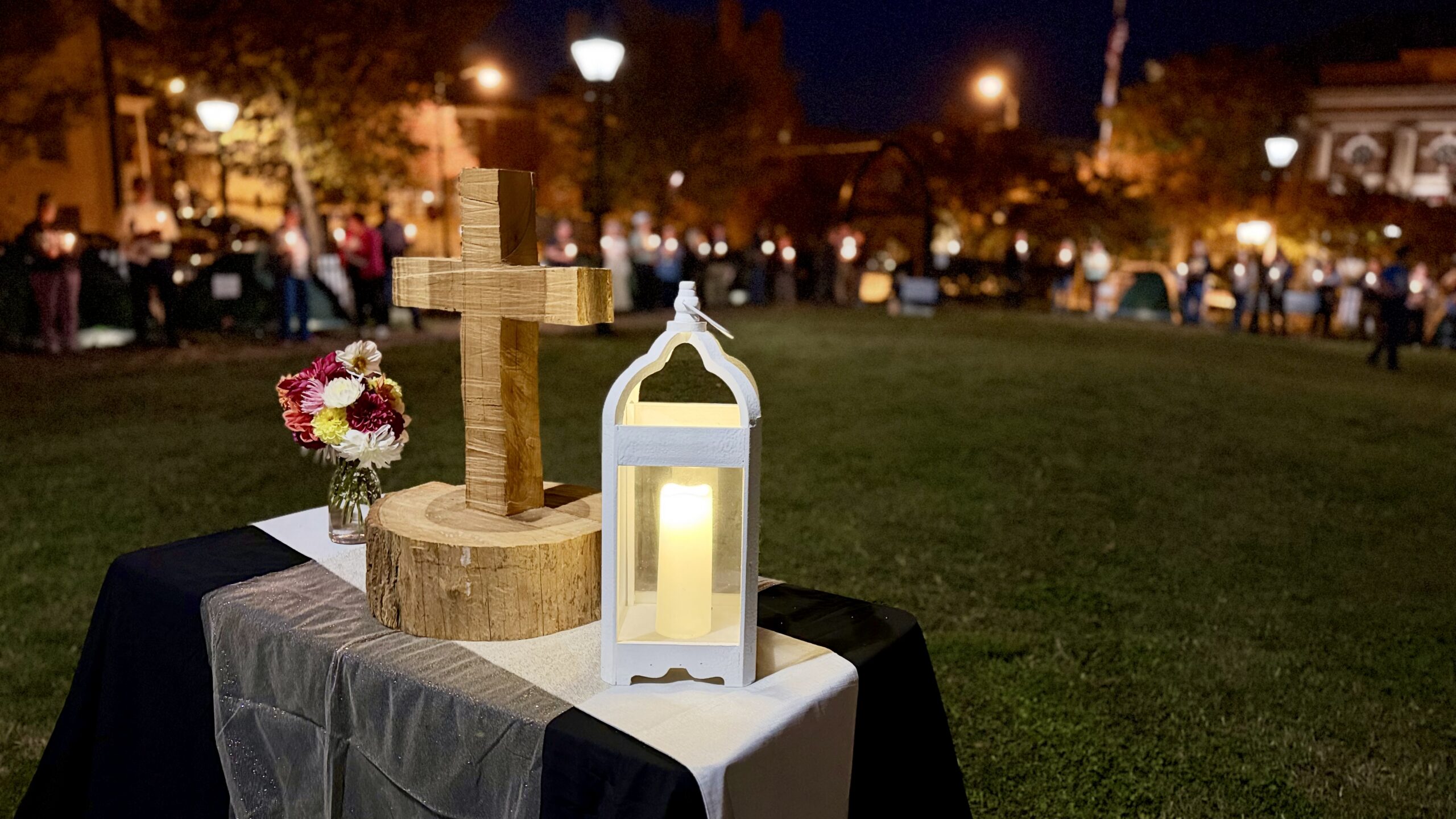
    All Saints’ Day is a time to remember those who have passed away within a faith community. Micah marks this liturgical celebration with our annual All Saints’ Day Neighborhood Remembrance Service.

    Each year, we gather with members of our community to honor and remember Micah neighbors who have died over the past year. Some were unhoused at the time of their death, some had achieved housing. All of them shared a part of their lives with us and gave us the opportunity to care for them.

    The chronically homeless spend much of their daily lives trying to stay under the radar, to go unnoticed. But as individuals created in the image of God, they have gifts, unique qualities, loves and contributions for which they will be remembered. We endeavor to shine a light on those qualities during this annual tradition.

    This year our service on the Methodist Green at Fredericksburg United Methodist Church honored 18 individuals. Our Street Church Choir performed, and Micah neighbors delivered an original poem as part of the liturgy.

    Please take a moment to reflect on the names, photos and stories below of those honored in our 2026 service.

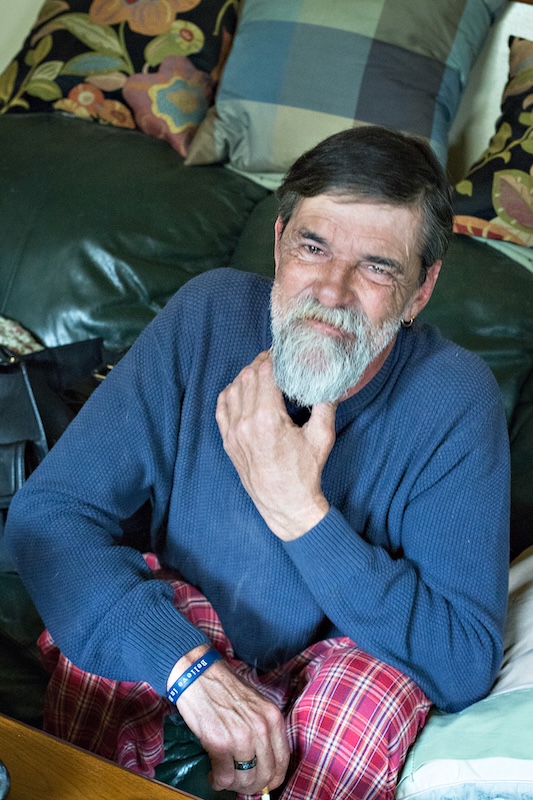
    William “Billy” Cooper, 68
    William "Billy " Cooper

    William Cooper, born on February 19, 1957, passed away on December 17, 2025, after a lengthy illness.

    The former Stafford Sheriff always talked about the “Cooper Boys.” Billy and his late brothers Pee Wee and Mike earned that legendary reputation. But Billy’s legend far surpassed what he earned from the law. He was the street homeless version of a CEO. He knew the meaning of relationships, how to tell a story, and what it meant to look out for a community.

    If you ever became homeless, Billy was the man you wanted by your side. He would panhandle for you, teach you how to be homeless, go to jail for you. He sat in the hospital with many friends when they died, and would share boots he could no longer use with others who might not have any.

    While Billy had the stereotypical look of a homeless man, he was quite aware of his power to influence the story. He was a key participant in an awareness campaign that Micah developed with cardboard signs. It was Billy’s idea to add signs that told the true story, such as, “I am more than this.”

    Billy also had a soft side. Winnie the Pooh was among his favorites. He is survived by his significant other, Kristen and sister Debbie.

    Tammy Cook

    Tammy lived in the car with her husband, Mark, until she became very ill and ended up in a nursing home under hospice care. She passed away on October 12.

    Isaac Franklin, 33

    His given name was Isaac; but somewhere along the way, he picked up the name “Gabriel.” He very much believed that he had had a holy encounter in a dream; and that he was supposed to live life as a guardian angel. One who spoke the truth. One who helped. One who defied the odds, when all was stacked against him.

    Isaac’s life told us something about where we needed to pay attention and how we could be better neighbors. He was not shy about speaking up when someone needed help.

    He wrote letters from jail with messages about things people needed. There were many people new to the street who would come to Micah knowing just what to ask for. “I met this guy named Gabriel,” they’d say. “He told me you could help me.” The systems and services in this community were not always kind to Isaac, yet he was always trying to help someone else get what they needed.

    Isaac’s tattoos made a statement about his suffering and his perseverance. He was never at a loss for words. he communicated through letters, through art, through prophetic messages. He lived with challenges that many people never see and few fully understand. His journey was hard, and he fought battles that were largely invisible to the world; but he never held back on the truth we all needed to hear.

    Isaac died tragically in incident in Baltimore.

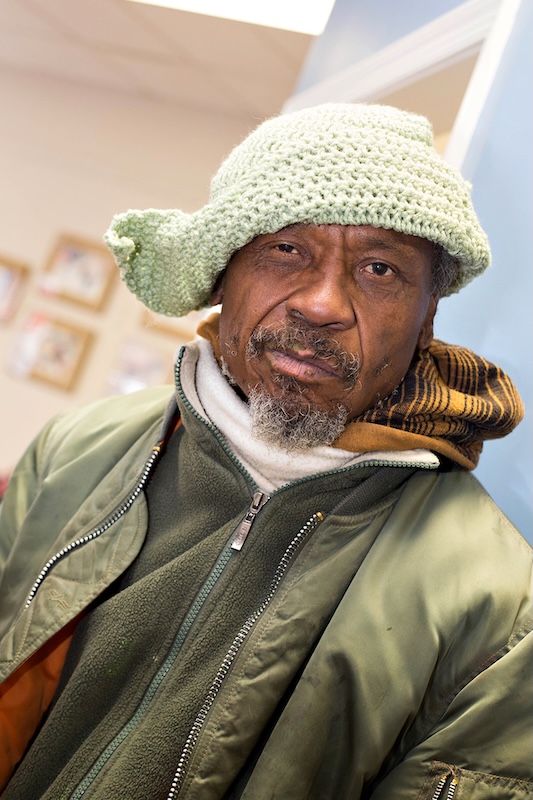
    Kenneth “Kenny” Greene, 69
    Kenneth Greene

    Kenneth Greene, more affectionately known as “Kenny,” passed away on January 8, 2026. He was found deceased in a shed in Fredericksburg. Kenny was born in Washington, D.C., on September 26, 1956. He attended public schools in Arlington and graduated from Wakefield Senior High School in June of 1974.

    Kenny was a gifted trumpet player. He was an original member of the local Arlington band Armageddon in Green Valley throughout the seventies. His talent also earned him a place performing with the Redskins band at the legendary RFK Stadium, where he contributed to the vibrant musical atmosphere and shared his passion for music with many.

    In 1978, Kenny took the significant step of enlisting in the United States Army. He served his country during the Cold War era in Europe, where his commitment and abilities were evident throughout his time in the military. Kenny’s service was recognized with several honors, including medals for expert hand grenade and sharpshooter M16 marksmanship. His dedication culminated in an honorable discharge, reflecting the respect he earned from his peers and superiors.

    Kenny was known for his kindness and generosity, always willing to lend a helping hand to others and freely share whatever he had. His compassionate nature made a lasting impact on those around him, and his selflessness was evident throughout his life.

    He inherited his father’s sense of humor and was always quick with a corny joke, bringing smiles and laughter to family and friends. Even in challenging times, Kenny’s faith remained unwavering.

    Kenny married Dana on March 8, 2006. Throughout their marriage, he was a loving and devoted husband, always attentive to Dana’s well-being and happiness.

    On Thursday, January 8th, God called Kenny from labor to reward. He leaves to mourn his beloved wife, his three sisters; as well as a host of other relatives and friends who mourn his loss and cherish his memory. Kenny’s final resting place is at Quantico National Memorial Cemetery in Prince William County.

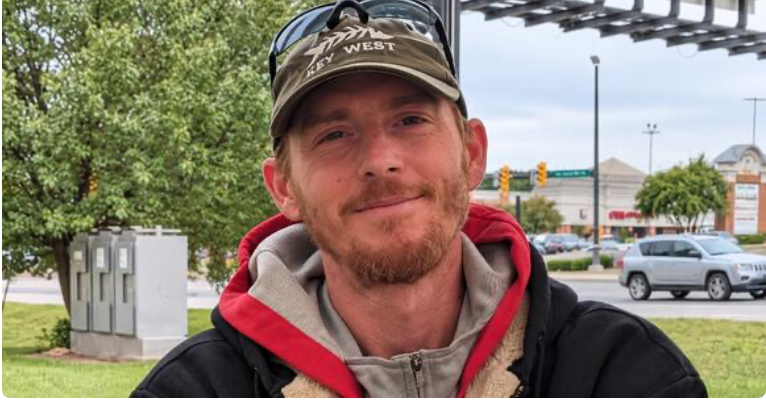
    Thomas “Tommy” Gum , 44
    Tommy Gum

    Thomas passed away on October 4, 2026, after being hit by a car. Born on July 24, 1982, he will always be remembered for his kind heart, his wonderful sense of humor, and the genuine love and compassion he showed to everyone he met. Tommy never knew a stranger. Whether he was speaking with a lifelong friend or someone he had just met, he would always ask, “How are you doing?” And when Tommy asked, he truly wanted to know. He cared about people, listened to their stories, and took the time to make others feel important. When Micah renovated the cold weather shelter, Tommy was a key part of the team.

    A devoted Washington Capitals and Washington Nationals fan, Tommy could almost always be found wearing a Capitals or Nationals shirt and hat. He loved following his teams, especially listening to games on the radio. The radio was a special part of Tommy’s life, bringing him the excitement of sports, his favorite music, and his beloved morning radio shows, especially Elliot in the Morning. Give Tommy some steamed crabs, a good game on the radio, and he was a happy man! Tommy also loved the outdoors. He could spend hours fishing, enjoying the peace and simple pleasure of being near the water. He treasured the time he spent hunting with his father and attending NASCAR races. These experiences created memories that would stay with him throughout his life. Tommy also had a special love for the mountains, and it is fitting that his final earthly resting place will be among the beautiful mountains he loved so much.

    Throughout his life, Tommy had a wonderful ability to make people laugh. He loved to joke, share stories, and bring smiles to those around him. His humor and personality made him unforgettable to the many people who knew him.

    Family meant so much to Tommy. He deeply loved his daughters, Mia Rose and Maddie, and his son, Harper.

    Tommy is survived by his loving mother, his stepfather, his father; his stepmother; his daughters, his son; his brother, and his stepsister.

    Michael “Mike” Hobby, 63

    Michael Hobby

    Mike was born in Durham, North Carolina, on March 20, 1962. He has two sisters who live out of state that he has limited contact with. Mike was never married but had three adult children and three grandchildren, who brought him a lot of joy. Mike worked much of his life as a carpenter, crafting and installing wood cabinets and countertops in various materials. He loved music, dancing and friendship. For a brief time he planted trees with Tree Fredericksburg. He passed away at home after a long illness on March 6, 2026.

    Cheryl Jackson, 73
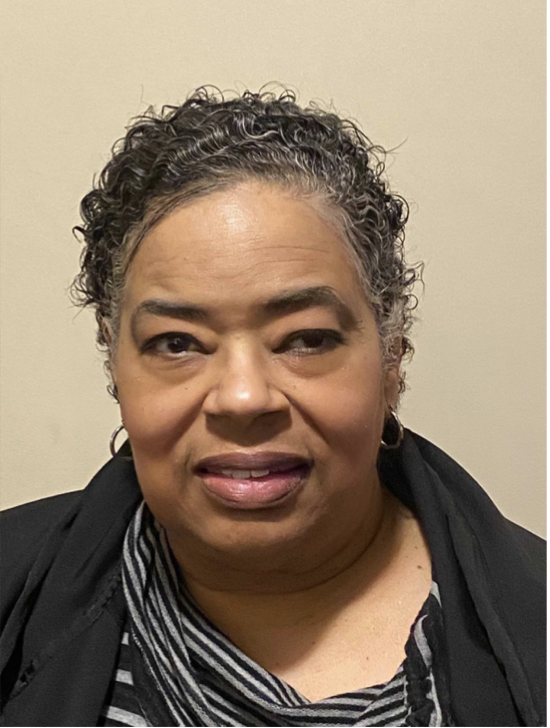
    Cheryl Jackson

    Cheryl was born February 19, 1953, in Richmond, Va., as the second of five children. On October 29, 2025, she transitioned from a nursing home into the loving arms of her Lord and Savior.

    Cheryl graduated from Spotsylvania Senior High School in 1971 and attended Germanna Community College.

    Cheryl accepted Christ at a young age and was baptized into Zion Hill Baptist Church. Later in her adult life, she rededicated her life to Christ and rejoined Zion Hill Baptist Church until her health no longer allowed her to attend. She was an active member of the choir and was known for singing “He’s Able To Carry You Through.”

    She was employed by the Federal Bureau of Investigation (FBI) in Washington D.C., where she remained for several years. After the FBI, she worked for Rappahannock Electric Cooperative and the African Methodist Episcopal Church Service and Development Agency (AME-SADA) for several years until her health began to decline.

    One of Cheryl’s favorite pastimes was assembling puzzles. She will be fondly remembered for her delicious cooking, especially her famous potato salad, which was a staple at family gatherings and celebrations. Additionally, her keen eye for design made her an extraordinary decorator.

    Ann Morse, 66
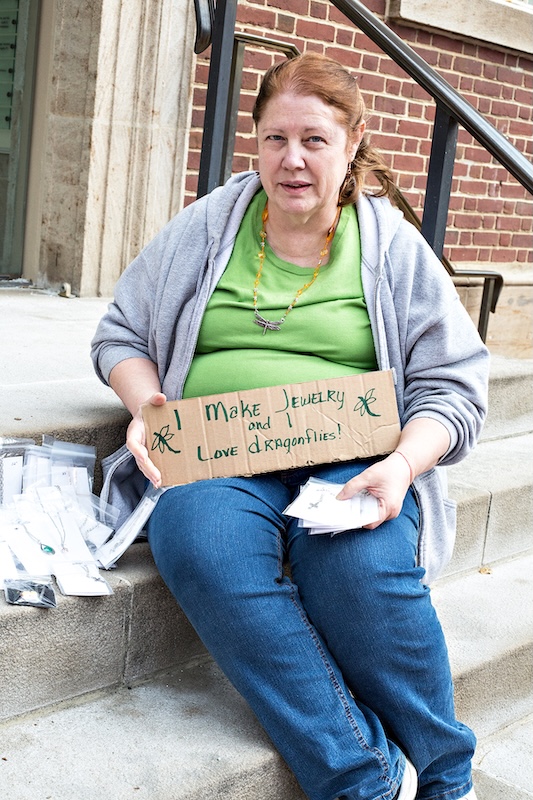
    Ann Morse

    Ann Marie Morse, born on June 5, 1959, passed away in the hospital after a long illness on January 27, 2026.

    Ann made beautiful jewelry and loved dragonflies. Her favorite color was orange. She was a bus driver for special needs kids before retiring.

    She was preceded in death by her son Andrew. She is survived by her significant other, Rodney, and a sister in Pennsylvania.

    Thomas Norris, 59
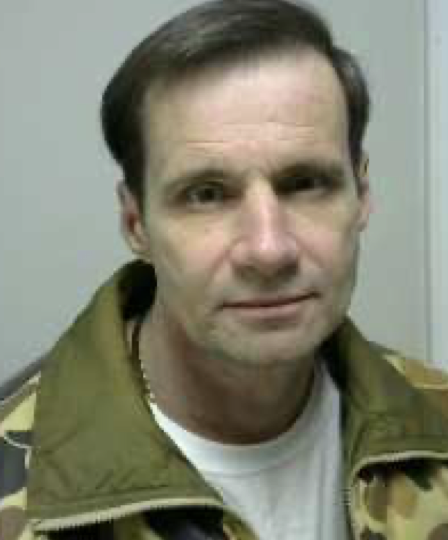
    Thomas had one older brother and one younger sister, from whom he was estranged for over 25 years. He had one son and one daughter.

    Vendell Parker, 63

    Vendell Parker

    Vendell had a wicked sense of humor. He often said he liked to play pranks on people just to hear the laughter. He passed away at home on September 3, 2025, in Fredericksburg.

    Tommy Pitts, 75

    Tommy was known to frequent the Ferry Farm Walmart area, riding his bike or sitting near Sheetz or Walmart.

    He was found deceased in his tent in March 2026.

    David “Bruce” Ruffner, 50
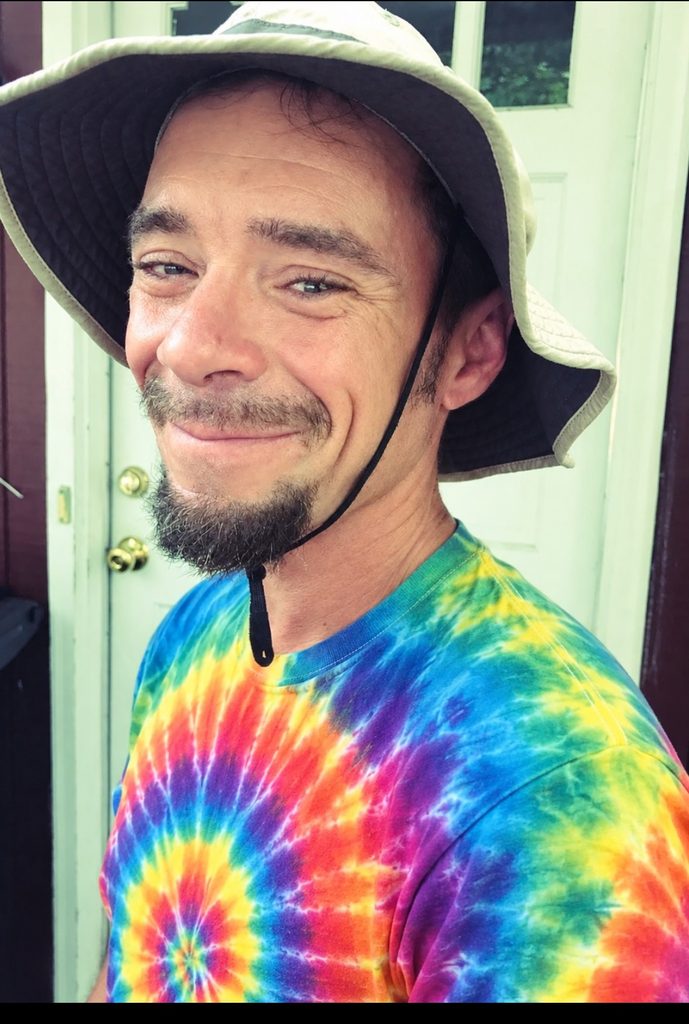
    Bruce passed away in September after a tragic incident behind a convenience store. He was a legendary dumpster diver. Where most people saw trash, Bruce saw possibilities. A bicycle might need a little work—and perhaps some duct tape—but it still held the promise of freedom. A discarded cat carrier could be rescued from behind PetSmart. A washing machine could somehow be carried back to camp—with a strong back and a bicycle, of course. People could repair, repurpose, share, or make beautiful again what others threw away.

    Bruce’s life was not easy. He lived through homelessness, addiction, jail, injury, and more uncertainty than anyone should have to carry. He knew both sides of rescue: he was often the rescuer, and there were times when he desperately needed to be rescued.

    He was a middle child who grew up with two sisters who would unmercifully dress him up as a girl. He had a hearty laugh of his own, and he loved helping other people find theirs.

    He was creative, artistic, and endlessly resourceful. One time he argued with his case manager about planting rotting vegetables in his backyard. Much to everyone’s surprise, those vegetables grew—and produced an even greater harvest for Bruce to give away. Giving plants was one of Bruce’s trademarks.

    Bruce rode bicycles. He fished. He walked barefoot. He explored caves along the Rappahannock, climbed the bridge over the train tracks to see the world from another perspective, and loved doing backflips. He loved music, birthday celebrations, coconut cake, and dancing. He was a “supertaster” who could turn an omelet into an adventure by putting nearly everything in it.

    Bruce could make beauty from nature, a meal from whatever was available, transportation from a barely functioning bicycle, and generosity from very little.

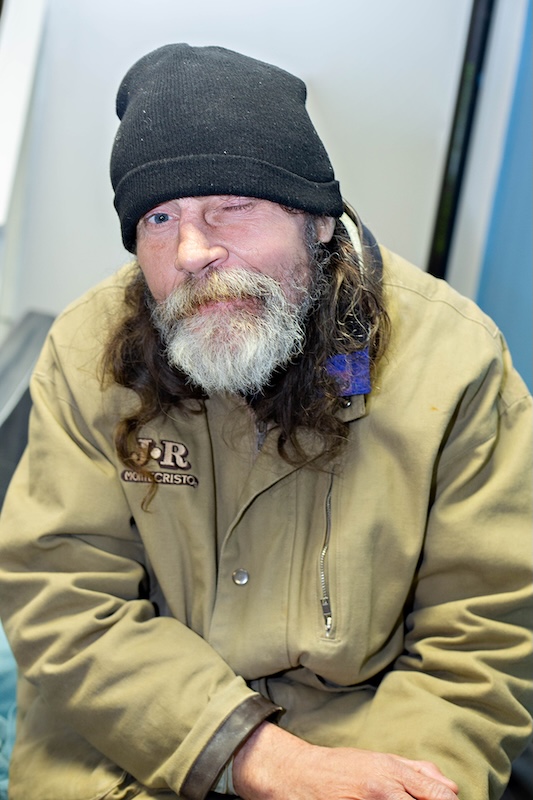
    Henry Sealock “Junior”, 62
    Henry Sealock "Junior"

    Junior was the oldest of three brothers. He grew up in Stafford and worked in construction for several years. He was Laura’s father and Jack, Meghan, and Caitlin’s grandfather. Junior talked often of his daughter and wanted people to know about her.

    Words like “legendary” and “legacy” come up when people remember Junior. He would sometimes get in squabbles with others on the street. It didn’t take much to break it up, but in the talking that came afterward, he always acknowledged where he went wrong and that he cared about doing better.

    For many years, Junior would show up and sit in the back row of the Fredericksburg Baptist sanctuary. When street church started, he would diligently show up even when his health made it hard.

    Junior was the kind of friend you really wanted on the street. Junior and Bobby Baker were masters of mischief for a long time. Junior and his long-time roommate, Wayne Payne, may have been patched together with Elmer’s glue and Scotch tape, but there was something about their friendship that allowed them both to make up for where the other fell short.

    Junior was an original “river rat,” which is what those who lived and camped on the riverbank together before there was a Micah affectionately called themselves. You earned the right to be a river rat if you hung around long enough that you fell in the river. Junior fell into the river many times and also pulled people out.

    Although Junior was one of the last of that original crew, it is not lost that Micah’s philosophy and how we have learned to love people belong to him and many of the friends who passed before him.

    Junior was always running out of money or cigarettes or food because he was giving it to someone else that he thought needed it more. The privilege to participate in his life was an active witness to the kind of community we can be, and where we still have so much work left to do.

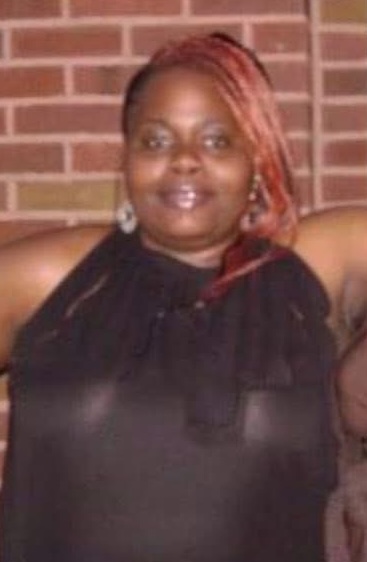
    Carrie Sidberry, 53
    Carrie Sidberry

    Carrie passed on May 24, 2026, after living on the street and experiencing a sudden illness. She was born on August 15, 1972. She is survived by a son and her significant other, Robert.

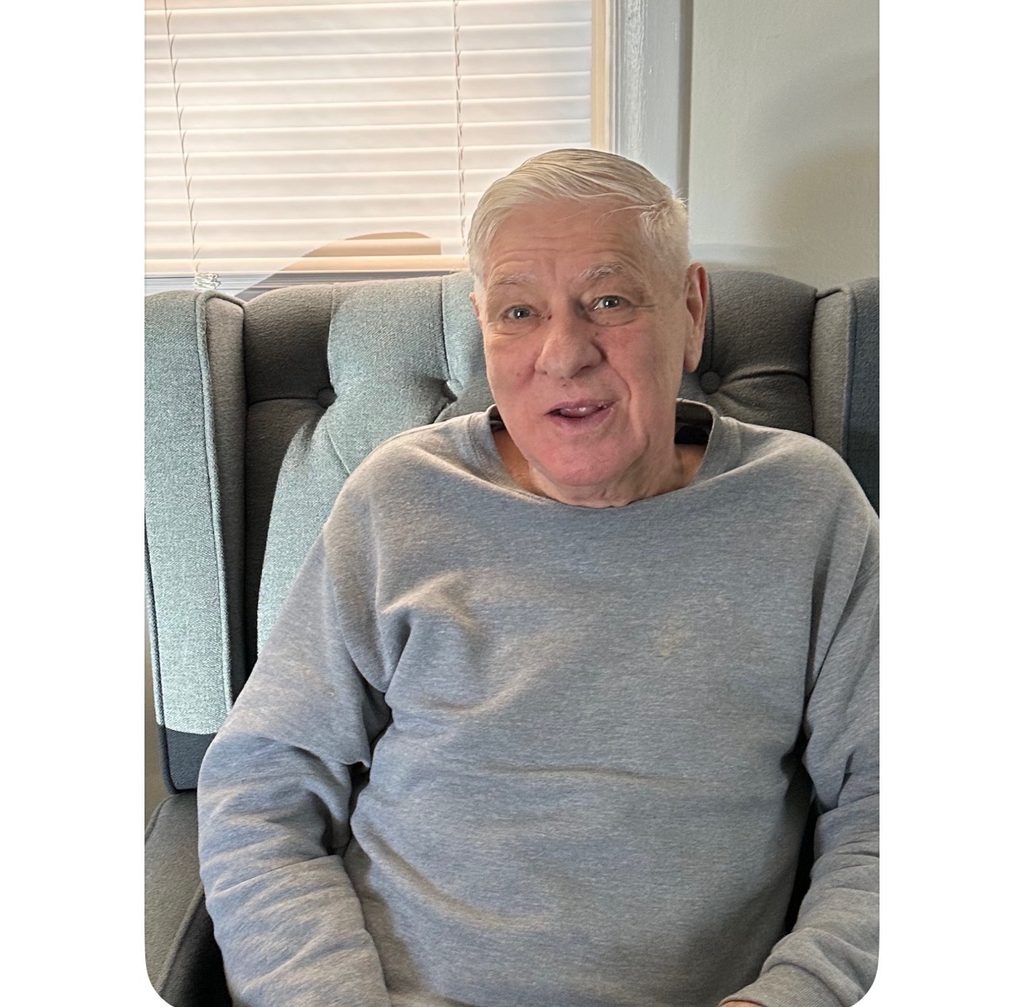
    Richard Sisson, 73
    Richard Sisson

    Richard worked in construction, and for a time he served as a sidewalk monitor at Micah. He was friend to many over the years. He liked women, cars, and classic rock, especially Led Zeppelin.

    When he was on the street, he epitomized survival. One time he remained outside through a two-foot snowstorm and wouldn’t come inside until it stopped.

    He is survived by a brother, a son, and a daughter.

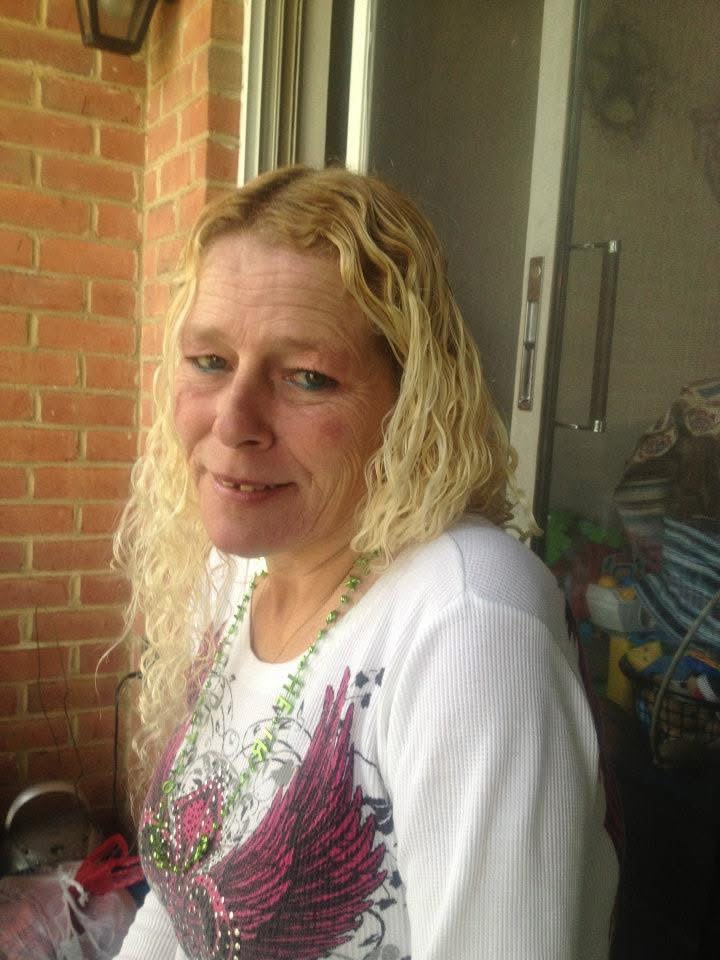
    Mary Stone, 62
    Mary Stone

    Mary was married once, but her husband moved to Tennessee in the mid-1990s. She had six children total, but her oldest son died approximately. 10 years ago. She is survived by one sister and the other preceded her in death.

    Mary loved cleaning and taking care of everyone else. She was a great cook, even though she ate like a bird. She loved animals, especially the cats at Berclair, where she lived, and Rocco the therapy dog. She also loved puzzles and coloring. She ALWAYS had a puzzle going at Respite and Berclair. And she loved country music.

    She was homeless for a short time and regained housing for a few months before passing away from terminal cancer.

    Reggie Washington, 39
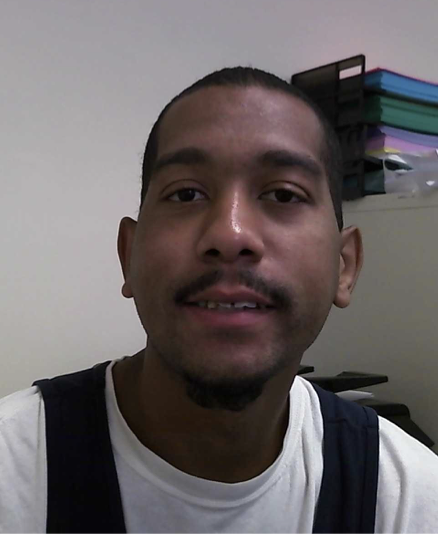
    Reggie Washington

    Reggie, affectionately known as “Outlawrhyda,” entered eternal rest on December 29, 2025. He was born on August 19, 1986, in Dale City, Virginia, on the floorboard of a car, a story remembered as a testament to his strength and unique beginning.

    Reggie was a loving son, brother, uncle, and friend. He loved cooking and found joy in preparing meals for others. He was a wonderful uncle, a caring brother, and a devoted son whose presence brought warmth and laughter to his family.

    Music was close to Reggie’s heart, especially the work of Tupac Shakur, whom he deeply admired. Reggie was also a dedicated employee at Captain D’s in Fredericksburg, Virginia, where he truly loved his job and took pride in his work.

    Reggie leaves to cherish his memory his loving mother, his sisters, his brothers, his nephews, his nieces; along with a host of aunts, uncles, cousins, and many other relatives and friends.

    Sherry Williams, 61
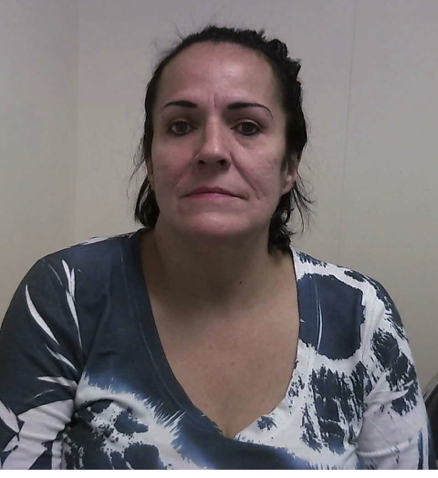
    Sherry Williams

    Sherry was a mother, daughter, and beautiful sister. She had a deep love within her for all of her children and grandchildren, siblings, aunts, uncles, cousins, and all of her other dearly loved family .

    Sherry had many struggles and hardships that she faced throughout her life, but she had many things that brought her joy. She loved animals and had such a tender heart for them. She also loved gardening and found beauty in watching things grow and bloom. Sherry enjoyed baking and found beauty in the simple joys in life, which reflected something beautiful about who she was.

    She will be remembered for the beauty in her heart, the love she gave in her own way.
  • Our Neighbors in Need Bear God’s Image

    Our Neighbors in Need Bear God’s Image

    There are many questions about caring for neighbors that have no easy answers.

    “Should I give money to people who stand on roadsides asking for money?”

    Say “yes,” and I risk being accused of fueling substance abuse. Say “no,” and I risk appearing compassionless.

    “Should we create a place where people can camp?”

    Would that offer somewhere safe for people to go—or give us permission to move people out of sight?

    “If people cannot follow rules, stay sober, or manage their own care, should we still be concerned with their lack of shelter?”

    How do we protect everyone’s safety without abandoning people whose disabilities make those expectations difficult to meet?

    Sometimes I wonder if these questions are seeking better ways to help—or coming from a secret hope I will absolve the questioner of the responsibility to care.

    I do understand that hope.

    There are days I would welcome an answer that lets me stop worrying. Days when I have exhausted what I know to offer, when someone’s choices frighten me, when another phone call brings a need I cannot meet.

    But when I give a satisfying answer, I often worry about something else: What happens to our neighbor after we settle the question?

    In Matthew 22:15-22, Jesus encounters a question with consequences on either side of the answer.

    “Is it lawful to pay taxes to Caesar, or not?”

    Where a yes risks alienating people living under Roman occupation, a no risks being accused of rebellion against Rome.

    Matthew tells us that the question is a trap. The people asking it want an answer they can use against him.

    So, Jesus asks for a coin.

    “Whose image is this?” he asks. “And whose inscription?”

    It is Caesar, their ruler.

    Then give the ruler what belongs to the ruler, he tells them, and give God what belongs to God.

    We know where to find the ruler’s image. It is stamped into the metal. But where is it that we find God’s image? Stamped upon you and me, our brothers and sisters, and neighbors—all of them—from the very beginning of creation.

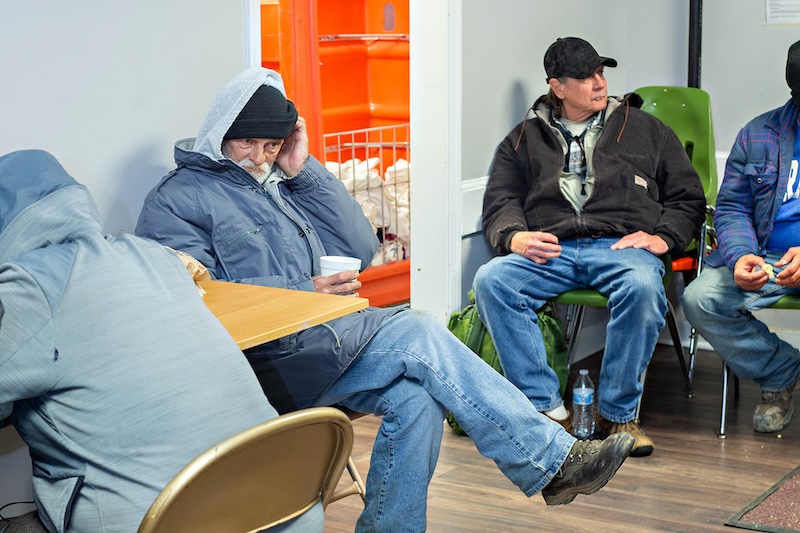
    Which means that before we decide what to do about the person on the roadside, outside our building, or struggling to stay in a shelter, we have something to recognize.

    Here is someone who bears the image of God.

    And whatever answer we give must reckon with that.

    Recognizing God’s image will not tell us exactly what to do every time someone asks for money. It will not make every shelter safe or every relationship easy. But it gives us a place to begin—and a responsibility we cannot simply hand off.

    Our neighbor’s worth begins with God

    In Genesis, God gives human beings God’s image before they have accomplished anything. Dignity begins in God’s decision to create them.

    And that matters when we encounter someone whose life seems to be coming apart. Addiction can damage a life. Mental illness can make relationships difficult. Trauma can shape behavior in ways we struggle to understand. But none of those things give us the authority to declare that God’s image has disappeared.

    We cannot make someone’s worth depend on their ability to get well.

    The image of God is a gift we are called to recognize in one another. We do not get to award it—nor can we revoke it.

    In Jesus, God binds God’s own life to ours.

    In Matthew 25, Jesus identifies himself with people who are hungry, strangers, sick, or imprisoned. Our response to them becomes a response to him.

    The person whose presence unsettles us may also become the person through whom Christ calls us. I often arrive prepared to give something or do something, but I discover that I also have something to receive: a truth avoided, a gift overlooked, a relationship through which God changes me.

    Because belonging to God places a claim on us, too.

    “Give to God what belongs to God.”

    We might begin taking inventory: our offerings, our Sunday mornings, the hours we volunteer. But if we bear God’s image, then our whole lives belong to God—our decisions, relationships, resources, and response when someone’s need interrupts our plans.

    We belong to God even when faith becomes inconvenient.

    And the church helps us practice that belonging together. We share responsibility, bring different gifts, and make commitments that outlast any one person’s energy.

    That is what Micah’s churches are learning through our continuum of compassion: meals, shelter, medical respite, help finding income and housing, and relationships that continue after the keys are handed over.

    Because an apartment cannot remove loneliness, drive you to a medical appointment or notice when you stop answering the phone. Those things require people willing to stay beside you.

    There is theology in that continuity.

    We worship a God whose faithfulness endures through our struggles and whose grace precedes our progress. We answer that grace by learning to remain faithful to one another.

    Because our neighbors bear God’s image, they have gifts our community needs.

    And because we belong to that same God, their next step matters to us.

    So, should you give money to the person on the roadside?

    Should we create a place where people can camp?

    Should we still be concerned about shelter for someone who cannot manage the rules?

    I cannot give you one answer that will settle every situation. But I can tell you something about the person whose life hangs on our response.

    They bear the image of God.

    The good news is that God has not stopped caring for any of us. God draws near in our confusion, stays faithful through our failures, and gathers us into a community where we can share burdens too heavy to carry alone.

    That grace gives us the courage to keep asking what love requires—even when the answer is difficult.

    We can decide whether to give money and still care whether someone is hungry. We can address a concern about safety and still care where someone will sleep. We can reach the limits of what we can offer and ask others to help.

    Because after we settle the question, our neighbor is still there.

    Still bearing God’s image.

    Still belonging to God.

    And so are we.

    “Give to God what belongs to God.”

    May we answer with our lives.

    Dr. Meghann Cotter

    Executive Servant-Leader

    Micah Ecumenical Ministries

  • Jeremiah’s ‘Yes’—and God’s Invitation

    Jeremiah’s ‘Yes’—and God’s Invitation

    It was Christmas Eve of 2020, and downtown Fredericksburg was nearly silent.

    I sat with Jeremiah beneath the Galleria overhang—the pavement he had called home for much of 27 years—and begged him to accept the apartment we had rented for him.

    He quietly declined, as he had every other night since we took on a lease in September. 

    With unprecedented pandemic support, nearly every other unhoused neighbor we knew was indoors that winter. Jeremiah remained outside.

    I handed him a cup of coffee and turned toward my car.

    Maybe tomorrow, I thought.

    It would be another two months of nightly visits before Jeremiah would finally say, “Yes.”

    I cannot tell you everything that stood between Jeremiah and that eventual ‘yes.’ But I can tell you that having a place ready did not mean the journey into it was finished. There were more conversations to have. More time to spend together. More trust to build.

    On the surface, this seems like a story of someone struggling to accept an invitation. A home was waiting. I kept asking. Jeremiah kept declining.

    But what if the invitation had been coming the other way all along?

    What if, through Jeremiah, God was inviting all of us to come closer? To make room in our lives as well as room in a house?

    I was asking Jeremiah to leave the place he knew. What was I willing to leave? What assumptions, routines, and expectations would I have to surrender?

    I could see how much accepting my invitation would change his life. But I was only beginning to understand how accepting God’s invitation would change ours.

    In Matthew 22, Jesus tells religious leaders a parable about a wedding banquet. A king repeatedly summons the invited guests. Some return to their farms and businesses. Others kill his servants. And the king retaliates with terrible violence.

    Then the invitation extends beyond the original guest list. The servants gather everyone they can find, both good and bad. Those expected at the celebration refuse to come. People who never expected to be invited fill the room.

    Imagine hearing that as someone in a position of power, one that seemingly assures proximity to God. Jesus challenges the assumption that religious standing and a faithful response are actually the same thing.

    Then the story turns again.

    The king notices a guest without a wedding garment. The man has no answer and is thrown into darkness. Perhaps, the man’s presence does not reflect the celebration he has entered.

    The challenge reaches those who refuse the invitation and those who accept it: Neither our standing nor our attendance can substitute for entering fully into the life God invites us to share.

    That makes me wonder where we have placed ourselves in the story?

    • Have we assumed we are delivering God’s invitation, without considering that we might be the guests too occupied to accept it?
    • Have we expected someone’s life to change, without considering how profoundly it might change our own?
    • Have we assumed we are there to offer others a place at the table, without considering that God is inviting us to wholly and completely sit beside them?

    That brings me back to the overhang—and to the invitation I could not yet see.

    I knew what I wanted Jeremiah to say, “yes” to. But how was God asking us to say, “yes?”

    Jeremiah’s presence in downtown Fredericksburg had made him part of the scenery. Paintings of Fredericksburg streets occasionally include his quiet figure, as if he were a character in our local Where’s Waldo activity book.

    Yet, many years after he had been housed, I would mention him only to receive blank stares and empty questions, “Who is Jeremiah?”

    People had grown accustomed to him sleeping in a doorway. They had learned to walk around. Eventually, they stopped seeing him.

    Some offered a little help. But rarely did the sentiment shift from, what is the city, the police or Micah doing about him…to what am I being invited into?

    God’s invitation arrives through that recognition: Here is someone whose life belongs in relationship with yours, will you accept…

    The guests who return to their farms and businesses have established lives, with responsibilities and priorities.

    So do we.

    But relationship means making room for someone whose life may interrupt those arrangements. I tell people all the time, when they start working at Micah, that this is so much more than a job. This is an invitation to move the furniture around in your heart—to confront the parts of yourself you don’t like; to allow our neighbors to bring out parts of your spirit that you would rather ignore.  

    Accepting the invitation to the kingdom does not mean we already know how to live it. It means we are willing to learn together.

    I wanted Jeremiah to leave a familiar place. But I had to examine what had become familiar to me, too: my expectations about how quickly someone should accept help, what progress should look like, and when my responsibility would end.

    The nightly visits asked me to practice patience when I wanted an answer. To listen when I wanted to persuade. To stay present when I couldn’t determine the outcome.

    There is a difference between offering someone a seat and sitting down beside them; between offering a house and making a home.

    When we sit together, we make ourselves available to receive as well as give. We discover someone’s humor, listen to their wisdom, and imagine a future shaped by their voices, too.

    That invitation taking shape in the supportive housing neighborhood Micah is developing and, at least in part, why we are calling it Jeremiah Community.

    The vision has grown from years of accompanying people into housing and learning what helps them remain at home. It makes room for permanent homes, ongoing care, shared spaces, and neighbors whose gifts will help shape the community.

    It asks all of us to imagine belonging more fully to one another.

    Under the overhang that Christmas Eve, I kept thinking, Maybe tomorrow.

    Maybe tomorrow Jeremiah would say yes.

    But Jeremiah’s “yes” began a succession of tomorrows.

    Maybe tomorrow, we would understand why an apartment alone was not enough.

    Maybe tomorrow, we would imagine a place where housing came with healthcare, purpose, belonging, and people who would not give up.

    Maybe tomorrow, we would find the land, secure the approvals, raise the money, and bring together the churches, builders, businesses, students, and neighbors needed to build it.

    Would we keep coming closer? Would we make room? Would we accept the invitation to be changed?

    For years, tomorrow existed only in drawings, plans, and stories.

    Then hundreds of hands raised the walls of the Jeremiah Community prototype last month.

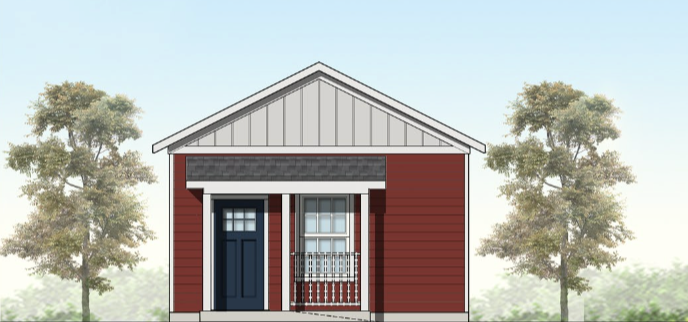
    Suddenly, tomorrow had a front porch. It had windows, a floor beneath our feet, and a door we could open.

    And now, that door opens onto a question for all of us: What will we say yes to?

    A first conversation? Returning when a relationship becomes difficult? Sharing resources? Discovering what someone else has to offer us?

    That Christmas Eve, I thought I was waiting for Jeremiah’s answer.

    Now I wonder how much of that time God was also waiting for ours.

    The invitation is still before us.

    Will we notice it?
    Will we accept the life it asks us to enter?
    Will we share that life with others God has invited?

    For years, I walked away from that overhang thinking, Maybe tomorrow.

    Today, we can take another step toward one another.

    Dr. Meghann Cotter

    Executive Servant-Leader

    Micah Ecumenical Ministries

    With the progress made, site work for Jeremiah Community will begin this Fall, and home construction will start in Spring 2027. We pray your involvement will make it possible for the first residents to move in by Christmas next year. Learn more and make your contribution here.

  • Fall Means Preparing for Cold Weather Shelter Season

    Fall Means Preparing for Cold Weather Shelter Season

    As the summer heat fades into cooler fall days, we at Micah start thinking about keeping our neighbors warm and safe when cold winter temperatures set in.

    That’s the focus of the Cold Weather Shelter, a ministry that Micah has operated for many years to provide a safe, warm space for those experiencing homelessness who would otherwise be sleeping outside on winter’s coldest nights.

    The shelter operates across two sites. A Stafford County location serves men, while a downtown location provides a separate space for women. The decision to offer these two different sites not only increases capacity, but has also created an environment where more women feel willing to come inside on the coldest nights.

    From mid-November through mid-March each year, Micah makes a day-by-day decision on whether the shelter will open, based on forecast temperatures and weather conditions. Across the two sites, the Cold Weather Shelter accommodates about 60 to 70 guests on each night that it is open.

    “It is literally a life-saving program in that it provides a warm space for people who would be sleeping outside in the snow, in sub-freezing temperatures, in bad weather conditions,” said Jill Clare, Micah’s Executive Administrator.

    Volunteers Make it Happen

    Like many of Micah’s ministries, the Cold Weather Shelter is made possible by dedicated volunteers who serve in different areas of its operation. As we approach the 2026-27 Cold Weather Shelter season, Micah is seeking volunteer teams to fill many of these roles.

    A major need is transportation. The men’s Cold Weather Shelter is not walkable from many of Micah’s other service sites in downtown Fredericksburg. Volunteers drive Micah’s bus and van from the Community Dinner site to the shelter, then pick up neighbors at the shelter in order to get them to the downtown breakfast site by 7 AM the next morning.

    Volunteer drivers do not need to have a CDL, and can choose their night or morning on the driving schedule. We also look for backup drivers who can be available as needed.

    UPDATE: We now have regular drivers for each day of the week. We would love to recruit more back-up drivers who can be called on an as-needed basis, so please let us know if you are interested!

    Check-in teams are the welcoming faces our neighbors see as they arrive at the shelter locations. Volunteers arrive around 5:30 PM to prepare the space, assist with check-in and provide a welcoming atmosphere through conversation, snacks or games. Most teams finish by 8 PM. These teams typically consist of three to five people who sign up to be responsible for one day per month (i.e., third Sundays) if the shelter is open.

    UPDATE: We have one more remaining opening for a check-in team, on the 3rd and 4th Sundays of the month.

    Morning hospitality teams provide coffee, breakfast and conversation for neighbors after their night at the shelter. These teams serve anything from breakfast cereal and pastries to casseroles and other creative items, and help neighbors start their day knowing they are cared for. The bus drops neighbors off at the breakfast site (which rotates among host churches throughout the week) around 7 AM. The volunteer shift, which includes setup, runs from roughly 6 AM until 8:30 AM.

    UPDATE: We have one more remaining opening for a morning hospitality team, on the 3rd Mondays of the month.

    Individuals interested in any of the above opportunities should contact Micah’s Community Engagement Navigator, Alacia Harrison, at [email protected], or 540-200-8373.

    Knowing our Neighbors

    While the primary purpose of the Cold Weather Shelter is to keep neighbors safe from dangerous weather conditions, the ministry provides an opportunity for fellowship with our neighbors, and a chance to get to better understand their needs.

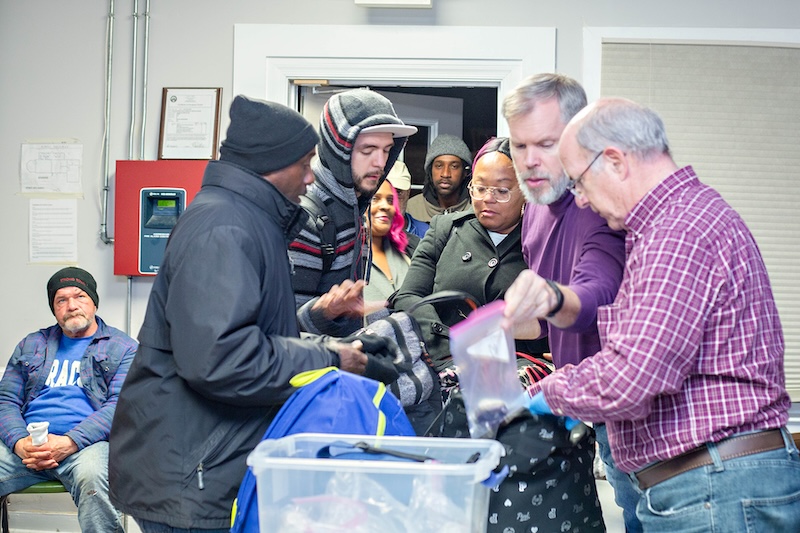
    As neighbors check in, they enter a safe environment where they can chat with friends, play card games or watch sports on TV.

    “It provides a safe space for us to be able to get to know our neighbors,” said Clare. “Before they go to sleep, it’s a prime opportunity for us and our volunteers to get to know them and learn about their needs.”

    The shelter ministry is closely intertwined with all of the other ministries that make up Micah’s holistic approach to caring for the chronically unhoused in the Fredericksburg community. These include community meals and hospitality, connections to health care, income development, spiritual growth and permanent housing opportunities.

  • This Is a Prototype of Community

    This Is a Prototype of Community

    There are a lot of things that can happen in three days.

    Apparently, you can build a house.

    Although, if we are being honest, this house took us a lifetime to build.

    Jeremiah Community prototype home launches in September 2026.

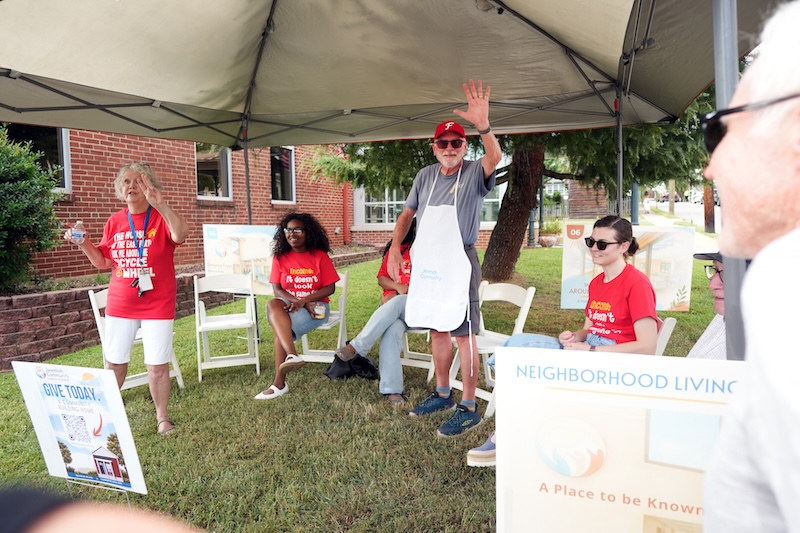
    If you’ve visited our Jeremiah Community prototype home on the campus of The Oberle Academy, you’ve seen walls, and roof and floor packaged beautifully, but I want you to see the stories and relationships that built it—and 20 years of lessons from our neighbors about what it means to lose a home and what it actually takes to find one again.

    Most of us survive the hardest moments of our lives because someone catches us.  Homelessness happens when, one by one, those relationships disappear until eventually there is no one left to catch you.

    So I hope you see all the relationships that built this house, because homelessness is a WE problem. And WE, the community, are the solution.

    When I look at this house, I see God at work.

    I see God calling gifts out of this community and drawing together people who might never otherwise have found themselves in the same place.

    There may be no better example than our new relationship with The Oberle Academy, which graciously allowed the prototype to be built on its property. After Micah ceases to use home as an example for Jeremiah Community, the school will use it as a classroom for construction training for its Career and Technical education programming.

    Oberle walks alongside young people who haven’t always thrived in a traditional classroom. Micah walks alongside adults who haven’t always thrived in the “traditional world.” Both of our communities know what happens when people are defined by where they struggle instead of recognized for the gifts they carry.

    But look what happens when you build around those gifts instead. These students are builders.

    And to the trade partners who built alongside them: Thank you for your gifts. What you’ve built is beautiful.

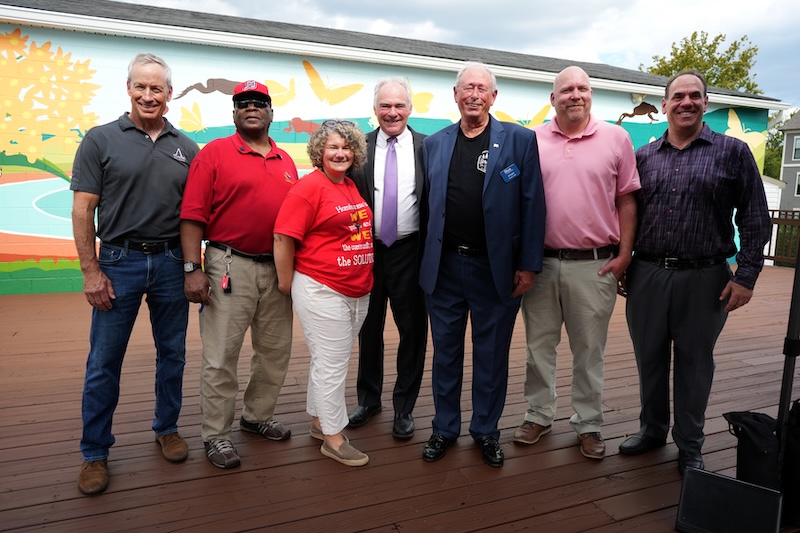
    Atlantic Builders, The Oberle Academy and Sen. Tim Kaine all had a role to play.

    To Sen. Tim Kaine, who came to see the prototype while it was being built, and whose work to secure $2.9 million in federal funding helped keep Jeremiah Community moving forward—thank you for your role in this important work.

    And to our Micah staff, who work with great compassion every day to help our neighbors progress in the areas of healthcare, housing, relationships, work, hospitality and faith—thank you for building home long before the first nail was ever driven.

     Micah Ecumenical Ministries staff and board members

    Because home takes all of us.

    None of us has everything this required.

    But God had already placed something we need in each other.

    And that includes the neighbor who will someday live in a home like this. They are not simply the beneficiary of our gifts. They have gifts we need, too.

    In all of my heart, I believe that our flourishing is bound together. When any neighbor cannot flourish, all of us are less than what we could be.

    And that’s the Fredericksburg region that I see emerging here—a compassionate community where people who have been pushed to the margins aren’t simply served, but known, valued, loved, encouraged—and needed.

    Brian Roinestad from Atlantic Builders has been saying for weeks now (and I’m going to paraphrase), “If we can build a house in 72 hours, imagine how quickly we can get a struggling neighbor under roof and start their path toward healing.”

    In my faith tradition, three days carries a particular kind of hope.

    Christ died on a Friday, and by Sunday the world was made new.

    But the resurrection doesn’t erase suffering. Jesus rises with the wounds still there. Neither will this house or Jeremiah Community erase a lifetime of grief or trauma

    But resurrection tells us that what HAS happened does not get the final word about what is possible.

    And look what can happen in three days when God draws people and their gifts toward one another.

    Something we’ve talked about for years becomes something we can touch. Something that seemed impossible begins to look like home.

    This is not just a prototype of a house; this is a prototype of community.

    A community where no one is disposable. Where everyone has something to contribute. Where your flourishing matters to mine, and mine matters to yours.

    Where a young person who struggled in a traditional classroom discovers, “I am a builder.”

    Where a person who has been defined by homelessness discovers, “I am a neighbor. I am needed. I belong.”

    This house is evidence that God is already building that kind of community among us.

    And what a gift that God has invited all of us to help build it.

    by Dr. Meghann Cotter

    Executive Servant-Leader

    Micah Ecumenical Ministries

  • You’re Invited: Come See the First Jeremiah Community Home

    You’re Invited: Come See the First Jeremiah Community Home

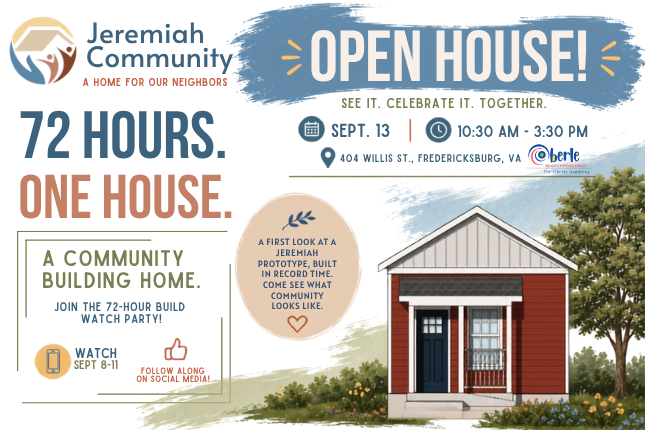
    In September, eight years of planning and praying will culminate in a truly remarkable moment. Over the course of just 72 hours starting Sept. 8, a dedicated team of homebuilders and trade partners will construct the first prototype home for the Jeremiah Community.

    In so many ways, this kickoff of the physical building of Jeremiah symbolizes the collaboration and partnerships that have driven this project from the beginning. Our downtown churches have prayed for a permanent, supportive home for our unhoused neighbors—knowing that the churches could accomplish more together than they ever could apart. 

    Atlantic Builders will lead the build, serving as Build Captain for HomeAid National Capital Region. HomeAid is a nonprofit that harnesses the generosity of the building industry to construct safe and dignified housing and programmatic facilities for those experiencing or at risk of experiencing homelessness. The building community has been engaged and committed to this project from the beginning. Tricord Inc. purchased the land for Jeremiah Community and donated it to Micah.

    Brian Roinestad, Vice President of Purchasing and Business Development for Atlantic Builders, said the homebuilder got involved with Jeremiah early on. Atlantic helped design the architectural plans for these unique freestanding homes, and also brought together dozens of trade partners to think through specific design aspects to ensure the homes are as functional and cost-effective as possible. Atlantic will be building the 50 homes in Jeremiah’s first phase. 

    Planning has been meticulous, with meetings to nail down exactly how much time should be allotted to framing, electrical, plumbing and other aspects. A Fredericksburg city building inspector will be on-hand throughout the build to verify the prototype meets the same code requirements as an occupied residence.

    Roinestad said the build is a fun challenge, but also shows just how much can be accomplished when people come together around a goal.

    “It’s very powerful to be able to say, if there’s an individual on the street without a home, and we as a community wanted to, we could have a home for that person in under a week,” he said. “I hope this build will spark excitement and support for the life-changing impact that Jeremiah Community can have.”

    But the partnerships don’t stop there. The prototype will be built at The Oberle Academy, located on Willis Street in Downtown Fredericksburg. Now in its 35th year, Oberle serves students in grades six through 12 who learn differently, and need options beyond traditional public schools. Many of those students find success in Oberle’s Career and Technical Education programs, which include classes in carpentry, and in partnership with Germanna Community College, offerings in plumbing, electric, HVAC and other trades.

    Oberle students will be helping out on the prototype build, and once complete, the structure will serve as a learning lab for CTE students to practice the skills they are learning in the classroom.

    “At The Oberle Academy, we are always looking for meaningful opportunities to support our community, and we are grateful to be part of this one,” said Al Fagan, Oberle’s president and CEO. “We are especially excited for our Carpentry students to be part of something bigger than themselves, using their skills, gaining hands-on experience, and contributing to a project that will make a meaningful difference for others.”

    Jeremiah Community is becoming reality because of partnerships like these, and the vision of the nine Micah churches and more than 200 other congregations throughout our region who have supported our mission of cultivating a continuum of compassion with our unhoused neighbors for the past two decades.

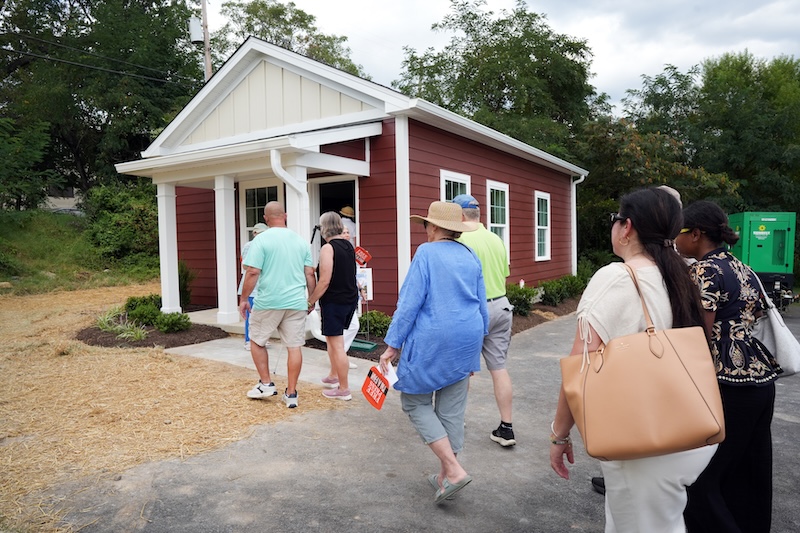
    We invite you to watch this exciting kickoff for Jeremiah Community. You can track our progress online on our social media accounts and at JeremiahCommunity.org/watch. And once the build is complete, please come tour the home for yourself at an open house on Sunday, Sept. 13, from 10:30 a.m. until 3:30 p.m. We will hold a ceremony to bless the house at 3 p.m.

  • From Mustard Seed to Model Home

    From Mustard Seed to Model Home

    It has been eight years. 

    Eight years since the mustard seed of an idea for Jeremiah Community took root in the hearts of our downtown churches. I know exactly how long it’s been, because the mustard seed of my second child was growing in my belly at the time. 

    It’s been a long gestation period. Long enough for some to question the project’s viability. Long enough for others to demonstrate just how much faith is behind this thing. 

    But the moment has arrived. And we are moving at warp speed. 

    As I write this, Atlantic Builders, local trade partners, HomeAid National Capital Region, and students fromtheOberle Academy’s Career and Technical Education Program are finalizing plans for a momentous feat: Over the course of just 72 hours, these partners will work side-by-side to build a Jeremiah Community prototype home.

    Mark your calendars: During the week of Sept. 7, Watch our  model home come to life, live online. We’ll share the exact start date of the build as soon as it’s locked. Then join us in person for an open house at the Oberle Academy at 404 Willis St. in Fredericksburg on Sunday, Sept. 13, to see the finished product. 

    More than a construction project, it’s a powerful demonstration of what can happen when an entire community unites around a shared purpose. Every wall raised and every nail driven represents hope made visible.

    We often say that people become homeless when they run out of relationships. They overcome homelessness when the relational power of a community refuses to let them face life alone. Jeremiah Community is what that belief looks like in practice—a neighborhood built not only with lumber and nails, but also with friendship, dignity, opportunity, and love.

    Eight years ago, Jeremiah Community was just a dream. A scrappy group of churches had an idea that we could be a more compassionate community if the very least among us had somewhere to live, something to do, and someone to love. We didn’t know what we didn’t know. But God was calling us to more than we could ever ask or imagine. 

    The people, the skills, the prayers, the resources have emerged in God’s time. And the kin-dom necessary to build AND be Jeremiah Community has been revealed. 

    Every meaningful movement reaches a moment when a vision begins to stand on its own foundation. This is one of those moments.

    Don’t miss it!

    – Dr. Meghann Cotter

    Executive Servant-Leader

    Micah Ecumenical Ministries